Nature, Climate, and Community Resilience
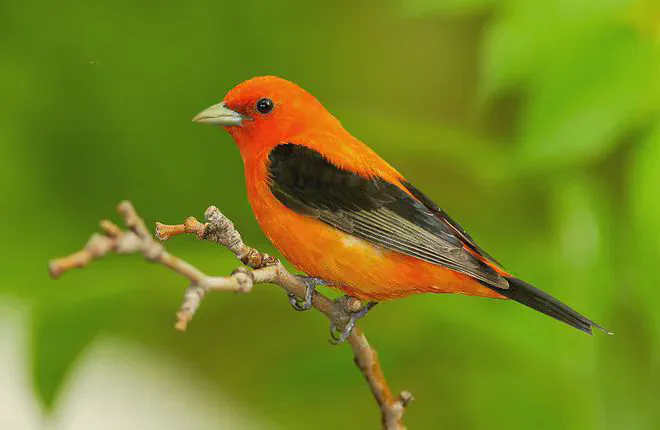 Image source: Columbia Daily Tribune
Investigating the effects of severe weather on urban ecosystems and human-nature interactions.
This project examines how extreme weather events and climate stressors affect urban wildlife populations and the ecosystem services they provide. By integrating ecological data with social and environmental factors, it aims to inform conservation and resilience strategies that support biodiversity and community well-being. Preliminary findings from the May 2025 tornado case study offer insights into how natural disturbances influence both ecological systems and human-nature interactions.
Preliminary Exploration: iNaturalist Heatmaps
This exploratory mapping analyzes community-generated biodiversity observations from iNaturalist before and after major weather disruptions. Focusing on the May 16, 2025 tornado, we examine changes in observation density, taxa reported, and observer locations to understand how climate events shape urban residents’ engagement with nature and access to green spaces. These findings shed light on the intersection of ecological disturbance, public participation, and environmental equity.
Note: These early visualizations are heuristic tools designed to guide future spatial modeling, field surveys, and community engagement rather than provide definitive conclusions.
iNaturalist Observation Density in St. Louis: April 2025 (Pre-Tornado)
iNaturalist Observation Density in St. Louis: May 2025 (Month of Tornado Event)
May 2025 Tornado Path & iNaturalist Observations
iNaturalist Observation Density in St. Louis: June 2025 (Post-Tornado)
Next Steps
Future work will integrate environmental, social, and ecological data to understand how extreme weather impacts urban wildlife and communities. Our goal is to guide climate resilience strategies that strengthen both ecosystems and the communities they support.